Budget-friendly coverage
Fiberglass can cover large areas efficiently while still delivering strong thermal value.
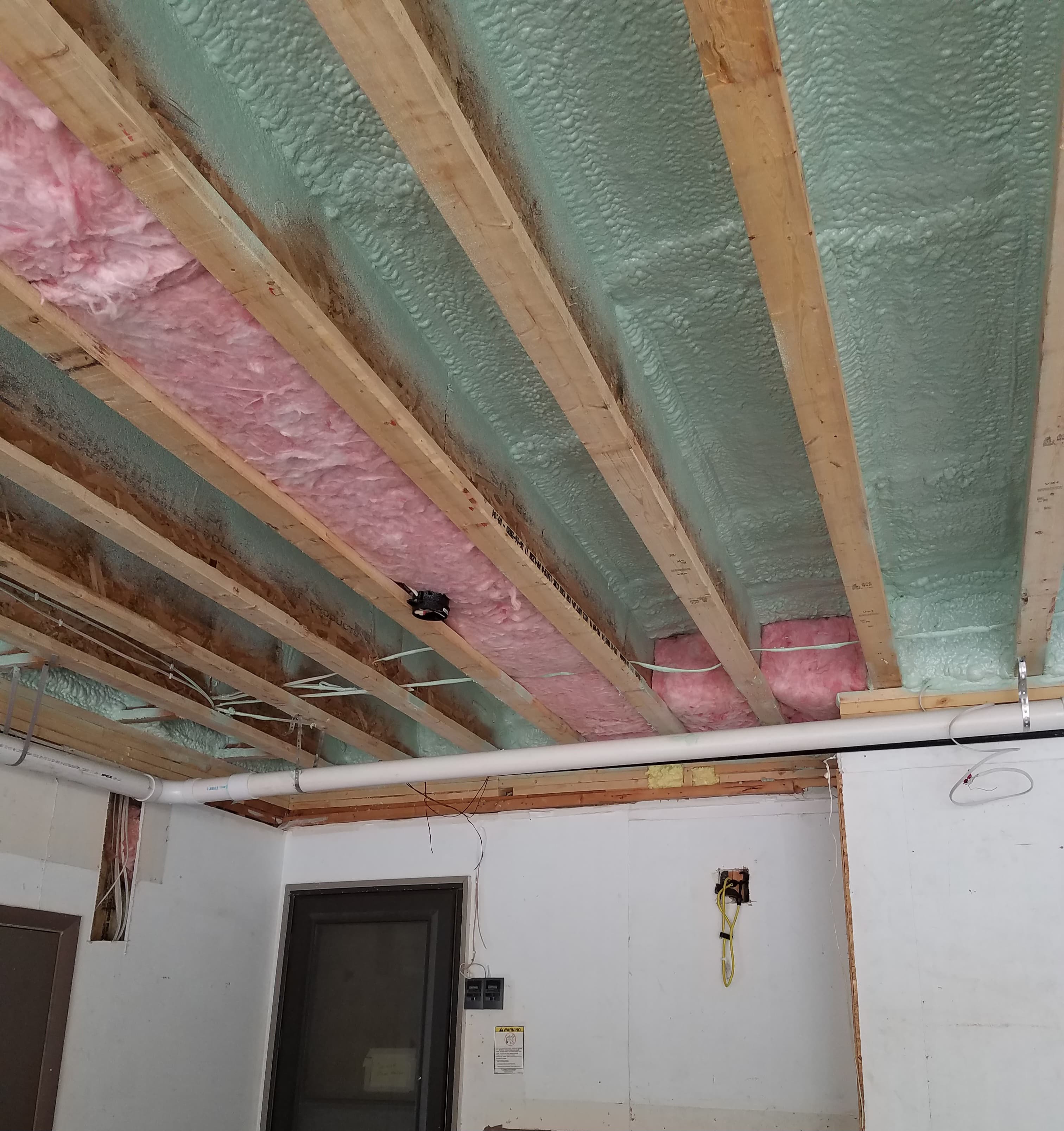
Fiberglass is one of the most practical insulation materials available, especially for attics, framed walls, ceilings, and sound control. The difference is workmanship: gaps, compression, and sloppy cuts can erase the value fast.
We install fiberglass with attention to fit, coverage, air movement, and the surrounding assembly. It can stand alone or pair with spray foam in a hybrid system.
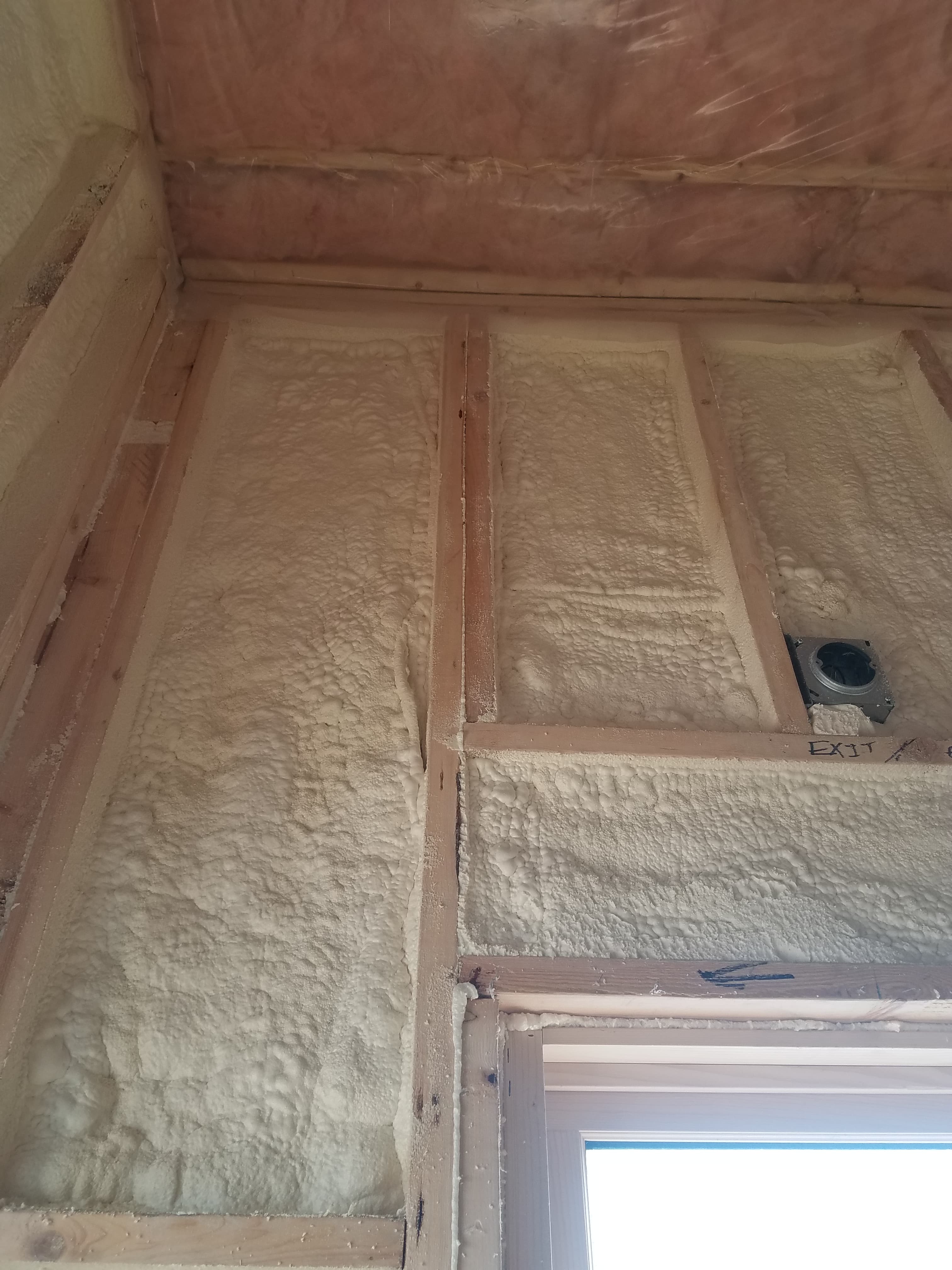
Fiberglass can cover large areas efficiently while still delivering strong thermal value.
Interior walls and ceilings benefit from fiberglass density and cavity fill.
Batts and blown-in products work across attics, walls, floors, and remodel cavities.
Use foam for air sealing and fiberglass for economical R-value where it makes sense.
Add blown-in depth where existing insulation is low but clean.
Batt installs for new builds, remodels, and additions.
Reduce sound transfer in bedrooms, offices, and basements.
Every project gets scoped with the same priorities: the right material, a clear install window, and direct communication from a local crew.
We match product type and thickness to the space and performance goal.
We look for air sealing needs, access, and obstructions before installing.
Material is cut, placed, or blown to avoid voids, compression, and uneven coverage.
It depends on the goal. Spray foam is better for air sealing and moisture control. Fiberglass is often better for cost-effective coverage and interior sound control.
Yes. Blown-in fiberglass is a common attic solution when the space is clean, ventilated correctly, and air sealed where needed.
We will help you decide where fiberglass makes sense and where foam is worth the upgrade.